






Understanding nutrition facts is one of the most important steps toward building a healthier lifestyle. Every packaged food product comes with a Nutrition Facts label that provides valuable information about calories, nutrients, vitamins, minerals, and serving sizes. Learning how to read and interpret these labels helps you make informed food choices, maintain a balanced diet, and achieve your health goals.
Whether you’re trying to lose weight, build muscle, improve heart health, or simply eat better, nutrition facts can guide your decisions. Instead of relying on marketing claims such as “low fat” or “all natural,” the Nutrition Facts label gives you the scientific information needed to compare products objectively.
In this comprehensive guide, you’ll learn what nutrition facts are, why they matter, how to read food labels correctly, and practical tips for making healthier choices every day.
What Are Nutrition Facts?
Nutrition facts are standardized labels found on packaged food and beverages. They provide detailed information about the nutritional content of a product, helping consumers understand what they are eating.
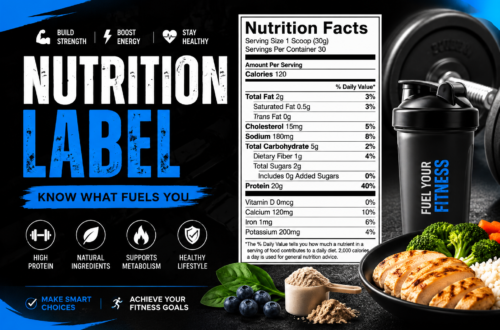
A Nutrition Facts label typically includes:
- Serving size
- Calories
- Total fat
- Saturated fat
- Trans fat
- Cholesterol
- Sodium
- Total carbohydrates
- Dietary fiber
- Total sugars
- Added sugars
- Protein
- Vitamin D
- Calcium
- Iron
- Potassium
These values are usually based on a daily diet of 2,000 calories, although individual nutritional needs vary depending on age, activity level, and health conditions.
Why Nutrition Facts Matter
Reading nutrition facts offers several important benefits.
Better Food Choices
Understanding food labels helps you compare products and choose healthier alternatives with lower sodium, sugar, or unhealthy fats.
Weight Management
Monitoring calories and portion sizes supports healthy weight loss or maintenance goals.
Disease Prevention
Balanced nutrition reduces the risk of obesity, diabetes, high blood pressure, and cardiovascular disease.
Improved Energy
Choosing foods rich in vitamins, minerals, fiber, and protein helps maintain steady energy levels throughout the day.
Better Portion Control
Many people unknowingly consume multiple servings at once. Reading serving sizes prevents accidental overeating.
Serving size is one of the most overlooked parts of a Nutrition Facts label.
For example:
Understanding Serving Size
All nutritional values listed are based on one serving.
- Serving Size: 1 cup
- Calories: 200
If you eat 2 cups, you actually consume:
- 400 calories
- Twice the fat
- Twice the carbohydrates
- Twice the sodium
Always compare the serving size with the amount you actually eat.
Calories Explained
Calories measure the amount of energy food provides.
Every person requires calories to:
- Breathe
- Walk
- Exercise
- Think
- Maintain body functions
General calorie needs include:
- Women: 1,800–2,400 calories daily
- Men: 2,200–3,000 calories daily
Athletes and highly active individuals often require more calories.
Consuming more calories than you burn leads to weight gain, while consuming fewer calories results in weight loss.
Understanding Total Fat
Fat is an essential nutrient, but choosing the right type matters.
Healthy fats include:
- Unsaturated fats
- Omega-3 fatty acids
- Monounsaturated fats
Foods rich in healthy fats include:
- Avocados
- Nuts
- Seeds
- Olive oil
- Fatty fish
Limit:
- Saturated fat
- Trans fat
Excessive unhealthy fats may increase cholesterol levels and heart disease risk.
Carbohydrates
Carbohydrates are the body’s primary energy source.
Nutrition labels divide carbohydrates into:
- Dietary fiber
- Total sugars
- Added sugars
Healthy carbohydrate sources include:
- Whole grains
- Fruits
- Vegetables
- Beans
- Oats
Try to reduce foods containing excessive added sugars.
Dietary Fiber
Fiber supports digestive health and helps you stay full longer.
Benefits include:
- Improved digestion
- Lower cholesterol
- Better blood sugar control
- Reduced constipation
- Healthy weight management
- Women: 25 grams daily
- Men: 38 grams daily
Most adults should consume:
Excellent fiber sources include:
- Apples
- Berries
- Lentils
- Oats
- Brown rice
- Whole wheat bread
Sugar: Natural vs Added
Not all sugars are equal.
Natural sugars occur naturally in:
- Milk
- Fruit
- Vegetables
Added sugars are included during food processing.
Common sources include:
- Soft drinks
- Candy
- Cakes
- Cookies
- Sweetened cereals
Health experts recommend limiting added sugar intake whenever possible.
Protein
Protein is essential for:
- Muscle growth
- Tissue repair
- Immune function
- Hormone production
Good protein sources include:
- Chicken
- Fish
- Eggs
- Greek yogurt
- Lentils
- Beans
- Tofu
Higher-protein foods often increase fullness, making them beneficial for weight management.
Sodium
Sodium is necessary for nerve and muscle function, but too much can increase blood pressure.
Many processed foods contain surprisingly high sodium levels.
Try to choose foods containing lower sodium whenever possible.
Recommended daily limit:
Approximately 2,300 mg.
Vitamins and Minerals
Nutrition Facts labels include several essential nutrients.
Vitamin D
Supports:
- Bone health
- Immune system
- Calcium absorption
Calcium
Necessary for:
- Healthy bones
- Teeth
- Muscle function
Iron
Helps transport oxygen throughout the body.
Iron deficiency can lead to fatigue.
Potassium
Supports:
- Heart health
- Blood pressure regulation
- Muscle contractions
Understanding Percent Daily Value (%DV)
The % Daily Value helps determine whether a food contains a little or a lot of a nutrient.
General guideline:
- 5% DV or less = Low
- 20% DV or more = High
For nutrients you should limit:
Choose lower percentages.
Examples:
- Sodium
- Saturated fat
- Added sugar
For beneficial nutrients:
Choose higher percentages.
Examples:
- Fiber
- Calcium
- Vitamin D
- Iron
Tips for Reading Nutrition Facts
Start with Serving Size
Always check the serving size before anything else.
Compare Similar Products
Compare multiple brands to find healthier options.
Watch Added Sugar
Select foods with lower added sugar content.
Check Sodium Levels
Lower sodium options support heart health.
Prioritize Fiber
Choose foods rich in dietary fiber.
Look Beyond Marketing
Ignore front-package claims until you’ve checked the Nutrition Facts label.
Common Nutrition Label Mistakes
Many people:
- Ignore serving size
- Focus only on calories
- Overlook added sugars
- Ignore sodium content
- Assume “organic” means healthier
- Believe “low fat” always means healthy
Reading the complete label gives a much clearer picture.
Nutrition Facts for Weight Loss
If your goal is weight loss:
- Monitor calorie intake.
- Increase protein.
- Eat more fiber.
- Limit added sugar.
- Control portions.
- Choose whole foods over processed foods.
Balanced eating is generally more sustainable than restrictive dieting.
Nutrition Facts for Muscle Building
Individuals building muscle should focus on:
- Adequate protein
- Complex carbohydrates
- Healthy fats
- Vitamins and minerals
- Sufficient calories to support training and recovery
Combining nutritious meals with strength training helps maximize results.
Whole Foods vs Processed Foods
Whole foods generally contain:
- More nutrients
- Less sodium
- Less added sugar
- More fiber
Examples:
- Fruits
- Vegetables
- Whole grains
- Nuts
- Seeds
- Lean meats
Processed foods often contain:
- Added sugar
- Refined carbohydrates
- Excess sodium
- Artificial ingredients
Moderation is key, and choosing minimally processed foods more often can improve overall diet quality.
Final Thoughts
Nutrition facts are powerful tools that help you understand exactly what you’re eating. Learning to read food labels allows you to compare products, control portions, reduce unhealthy nutrients, and increase beneficial ones such as fiber, protein, vitamins, and minerals.
Healthy eating isn’t about perfection—it’s about making informed choices consistently. By checking nutrition facts before purchasing or consuming packaged foods, you can support long-term wellness, maintain a healthy weight, and reduce the risk of chronic disease. Small, informed decisions made every day can have a meaningful impact on your overall health.
Frequently Asked Questions (FAQs)
1. What are nutrition facts?
Nutrition facts are labels on packaged foods that provide information about calories, nutrients, serving size, and daily values.
2. Why is serving size important?
Serving size determines the amount of each nutrient listed. Eating multiple servings means consuming multiple times the listed calories and nutrients.
3. What is the healthiest amount of added sugar?
It’s generally recommended to keep added sugar intake as low as possible as part of a balanced diet.
4. How much fiber should adults eat?
Most adults should aim for about 25–38 grams of dietary fiber each day, depending on age and sex.
5. Why should I limit sodium?
Too much sodium may contribute to high blood pressure and increase the risk of heart disease.
6. Are calories the most important part of a Nutrition Facts label?
Calories are important, but protein, fiber, vitamins, minerals, added sugars, and healthy fats are also essential for overall nutrition.
7. What does % Daily Value mean?
The % Daily Value indicates how much a nutrient in one serving contributes to a typical daily diet based on 2,000 calories.
8. Are natural sugars healthier than added sugars?
Natural sugars occur in foods like fruit and milk alongside beneficial nutrients, while added sugars increase sweetness without providing the same nutritional benefits.
9. How can nutrition facts help with weight loss?
They help you monitor calories, control portions, increase fiber and protein intake, and reduce added sugar and excess sodium.
10. Should I read nutrition facts on every packaged food?
Yes. Reading nutrition facts helps you make informed decisions and compare products before purchasing.