





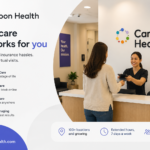


For decades, navigating the traditional healthcare system has been a primary source of frustration for patients across the country. Long wait times to see a primary care physician, confusing billing structures, and fractured communication between urgent care facilities and specialists have left patients feeling isolated. In an era where food, transportation, and entertainment can be managed seamlessly with a single swipe on a smartphone, medical care has historically lagged far behind in digital convenience Carbon Health.
Enter Carbon Health. Founded with the mission to make world-class healthcare accessible and simple, the company has established itself as a modern pioneer in the primary and urgent care sectors. By pairing a network of physical clinics with a proprietary, AI-driven digital platform, it provides an interconnected patient experience designed for the modern world. This comprehensive guide explores how Carbon Health is changing the healthcare landscape, what to expect during a visit, and why its digital-first infrastructure represents the future of medicine.
Part 1: The Modern Patient Dilemma
To understand why a healthcare model like Carbon Health is necessary, one must first look at the massive pain points inherent in traditional medicine. The classic journey of a patient seeking urgent or primary care usually looks like this:
-
Calling multiple clinics during strict business hours just to secure an open appointment slot.
-
Filling out stacks of repetitive physical paperwork on clipboards upon arrival.
-
Waiting well past the scheduled appointment time in a sterile, unwelcoming waiting room.
-
Leaving the clinic without clear transparency regarding what insurance will cover or what out-of-pocket fees will follow weeks later.
These operational inefficiencies do more than just waste time; they actively discourage people from seeking preventative care, driving up long-term complications and healthcare costs. The primary goal of a modern, technology-enabled clinic model is to dismantle these barriers entirely, turning a stressful clinical encounter into a streamlined, stress-free experience.
Part 2: The Core Pillars of Carbon Health
Carbon Health operates at the unique intersection of brick-and-mortar clinical medicine and cutting-edge software development. Rather than viewing technology merely as an administrative add-on, it forms the actual foundation of their care delivery model.
1. Unified App-Based Ecosystem
At the heart of the user experience is a singular mobile application. From the app, a patient can locate nearby physical clinics, view real-time appointment availability, and book a slot instantly. Once booked, your medical intake forms are completed directly within the app prior to arrival, allowing you to walk straight past the traditional reception desk and into an exam room.
2. Physical and Virtual Care Synergy
Healthcare is not one-size-fits-all. Some conditions require a hands-on physical evaluation—such as strep throat testing, x-rays for potential fractures, or wound care—while others can be handled effectively from the comfort of your living room. The platform bridges this gap seamlessly. A patient can begin their morning with a virtual primary care visit, and if the provider determines an in-person diagnostic test is necessary, they can smoothly transition to an afternoon appointment at a local clinic with all notes automatically synced.
3. Clear, Upfront Pricing Strategy
Medical billing transparency is notoriously difficult to find. The network addresses this issue directly by providing upfront pricing structures for patients with or without health insurance. By verifying insurance coverage in real time prior to treatment, patients are informed of their expected co-pays or out-of-pocket expenses immediately, drastically reducing the likelihood of receiving surprise bills weeks later.
Part 3: Overcoming Operational Transitions and Looking Forward
Building a highly disruptive, nationwide healthcare network is an incredibly complex undertaking. As the company scaled its footprint across multiple states, it navigated notable corporate restructuring phases, including a successful Chapter 11 bankruptcy reorganization in mid-2026 to optimize its balance sheet and transition majority ownership to an investment group focused on long-term sustainability.
Concurrently, state regulatory bodies have placed increased scrutiny on corporate healthcare models to protect the ultimate clinical independence of medical practices. Following a significant regulatory settlement with the California Attorney General in June 2026 regarding corporate management structures, the company proactively adjusted its operational frameworks. This structural evolution ensures that while a tech-driven platform manages scheduling and logistics, licensed physician groups maintain absolute control over medical decisions and clinical judgment, preserving top-tier patient care.
Today, backed by fresh capital and a robust turnaround strategy, the network is aggressively moving toward an AI-focused ecosystem. This transition leans heavily on machine learning tools to automate charting, quicken diagnostic workflows, and free up providers to focus entirely on face-to-face patient engagement.
Part 4: Comprehensive Medical Services Offered
The multi-state network of modern clinics is equipped to handle a comprehensive range of health concerns, making it an all-in-one resource for individuals and families.
Urgent Care Services
For non-life-threatening emergencies that require immediate attention, urgent care pathways serve as a critical buffer, saving patients from long, expensive trips to a hospital emergency room. These services include:
-
Injury Treatment: X-rays, splinting, and care for minor fractures, sprains, strains, and joint dislocations.
-
Illness Management: Rapid testing and treatment for RSV, flu, strep throat, mononucleosis, and urinary tract infections (UTIs).
-
Procedural Care: Stitches for minor lacerations, abscess drainage, and foreign body removal.
Primary Care Services
Long-term wellness relies heavily on robust preventative medicine. Primary care providers partner directly with patients to manage chronic conditions, perform routine screenings, and build comprehensive health plans. This covers annual physicals, ongoing chronic disease management (such as hypertension, asthma, and diabetes), and comprehensive mental health support for anxiety and depression.
Part 5: Maximizing Your Visit: A Blueprint for Patients
To get the absolute most out of a modern, tech-enabled clinic, consider following this streamlined roadmap:
Step 1: Pre-Register Online
Download the official smartphone app and create your patient profile ahead of time. Upload a clear photograph of your health insurance card and your ID. This ensures the system can verify your benefits and calculate accurate costs automatically before you book an appointment.
Step 2: Leverage the Chat Feature
If you are unsure whether your symptoms require an immediate in-person urgent care visit or a simple virtual follow-up, utilize the built-in messaging platform. Care coordinators can help triage your situation, guiding you to the most efficient tier of care.
Step 3: Access Post-Visit Notes Instantly
After leaving the clinic, your discharge instructions, prescribed medications, lab results, and imaging scans are uploaded directly to your secure portal. If a prescription was sent to your pharmacy, you can track its status and review your provider’s explicit instructions at any time without needing to call the office.
Frequently Asked Questions (FAQs)
1. What types of healthcare services does Carbon Health offer?
The clinics provide integrated urgent care, comprehensive longitudinal primary care, virtual medicine, and workplace health programs. This wide spectrum allows patients to address both acute illnesses and long-term preventative health goals.
2. Do I need an appointment, or can I walk in for urgent care?
While walk-in patients are welcomed, it is highly recommended to book a precise slot ahead of time using the mobile app or website. Booking online secures your spot and keeps waiting room times to an absolute minimum.
3. Does Carbon Health accept major health insurance plans?
Yes, the network accepts a broad array of commercial insurance plans, PPOs, and select managed care networks. Insurance coverage is verified dynamically during the booking process so you know your estimated costs upfront.
4. How much does a visit cost if I do not have health insurance?
For self-pay patients, clear, flat-fee pricing options are provided based on the specific type and complexity of the visit. This ensures complete cost transparency before any medical procedures or consultations begin.
5. Can I see all of my lab test results and medical records online?
Absolutely. All lab results, prescription details, diagnostic imaging records, and physician notes are compiled inside your secure mobile app portal for seamless personal access or sharing with outside specialists.
6. What states currently have physical Carbon Health clinic locations?
Physical clinics operate across several states, with a massive presence in California, alongside convenient locations in states such as New Jersey, Massachusetts, Washington, Colorado, and Texas.
7. What is the difference between an urgent care visit and an emergency room visit?
Urgent care treats non-life-threatening issues like sprains, minor cuts, or fevers. If you experience life-threatening symptoms, such as severe chest pain, sudden numbness, or a major head injury, you must go directly to a hospital emergency room.
8. How does the virtual care option work?
Virtual care lets you consult with a licensed provider via video chat on your phone or computer. Providers can diagnose common ailments, discuss lab results, and send new or refill prescriptions directly to your local pharmacy.
9. Can Carbon Health doctors manage chronic medical conditions long-term?
Yes, the primary care clinicians specialize in the continuous management of chronic conditions, including high blood pressure, diabetes, thyroid disorders, asthma, and routine mental healthcare.
10. How is AI being integrated into the patient experience?
The network uses advanced machine learning tools behind the scenes to assist providers with administrative documentation, enabling faster operational turnaround times and allowing clinicians to focus purely on direct patient communication.