The Ultimate Guide to Inexpensive Fitness Apparel: Look Great, Perform Better, Spend Less
Building an effective fitness routine requires dedication, consistency, and the right mindset. However, stepping into a gym or going for a run shouldn’t require taking out a small loan just to buy decent clothing. For years, the activewear market has been dominated by premium brands charging premium prices for basic polyester and spandex blends. Consumers have been conditioned to believe that a high price tag directly equates to better workouts.
The modern activewear industry has shifted dramatically. Advanced fabric technology, direct-to-consumer supply chains, and competitive manufacturing have made high-performance, stylish, and durable fitness clothing accessible to everyone. You no longer need to compromise on moisture-wicking technology, squat-proof coverage, or modern style to stay within a reasonable budget.
This comprehensive guide breaks down how to navigate the world of inexpensive fitness apparel. You will discover how to evaluate fabrics, select essential pieces, avoid common marketing traps, and build a versatile, high-performing athletic wardrobe without breaking the bank.
The Economics of Activewear: Premium vs. Budget
To understand why inexpensive fitness apparel can perform just as well as high-end alternatives, it helps to examine where your money actually goes when buying activewear.
When you purchase a pair of $120 leggings or an $80 gym shirt from a luxury lifestyle brand, a significant portion of that cost covers overhead expenses rather than material quality. These expenses include:
-
Global Marketing Campaigns: Multi-million dollar endorsement deals with professional athletes and social media influencers.
-
Retail Real Estate: Flagship physical store locations in prime shopping districts.
-
Brand Equity & Prestige: The markup associated with carrying a recognizable, high-status logo.
In terms of physical production, the raw materials—synthetic polymer fibers like polyester, nylon, and elastane—cost roughly the same across the industry. Mid-tier and budget-conscious manufacturers use similar knitting machinery and fabric finishing processes as high-end brands. By skipping massive marketing expenditures and selling directly to consumers or through high-volume retail chains, affordable brands can deliver near-identical performance fabrics at a fraction of the cost.
Technical Fabrics: Knowing What to Look For
The true performance of any workout garment lies in its material composition. Cheap activewear fails when poor-quality cotton or flimsy synthetic knits are used. High-quality, inexpensive fitness apparel relies on specific technical blends designed for human movement and heat management.
Key Synthetic Fabrics to Target
-
Polyester: The backbone of budget-friendly activewear. Polyester is lightweight, extremely durable, quick-drying, and naturally hydrophobic (repels water). Look for micro-polyester or recycled polyester blends for a softer skin-feel and superior breathability.
-
Nylon: Often found in slightly higher-end budget pieces, nylon is stronger, softer, and more abrasion-resistant than standard polyester. It provides a smooth, cool touch against the skin, making it ideal for compression tights and high-impact sports bras.
-
Spandex (Elastane / Lycra): Essential for flexibility and shape retention. A good piece of activewear should contain between 8% and 20% elastane. This guarantees four-way stretch, allowing the fabric to expand and contract with your movements without snapping or bagging out over time.
Materials to Avoid in the Gym
-
100% Heavy Cotton: While cotton feels soft for casual leisure wear, it is a poor material for intense workouts. Cotton absorbs moisture, holds onto sweat, becomes heavy, and causes skin chafing.
-
Unblended Acrylic: Cheap acrylic knits trap heat excessively without offering proper moisture management, leading to overheating and unpleasant odors.
5 Indicators of High-Quality Inexpensive Activewear
Price is not always a accurate indicator of quality, but physical construction is. When shopping for affordable athletic gear, inspect these five structural details to ensure your purchase lasts:
1. Flatlock Stitching
Inspect the seams of tops, shorts, and tights. Traditional raised seams chafe against the skin during repetitive movements like running or rowing. Quality athletic apparel utilizes flatlock seams, where the fabric edges rest flat against each other and are woven together. This eliminates bulk, prevents skin friction, and increases seam strength under stress.
2. Squat-Proof Opacity
For leggings and training shorts, opacity is non-negotiable. A fabric can feel thick while sitting down, yet turn completely sheer when stretched across the hips and glutes during a squat or lunging motion. Always perform a “squat test” in good lighting before removing tags: bend deeply in front of a mirror to ensure the material maintains total coverage.
3. High, Reinforced Waistbands
Budget leggings often fail when the waistband slips down during movement. Look for wide, double-layered waistbands with internal elastic bands or seamless construction. This structure anchors the garment securely at your natural waist without digging in uncomfortably.
4. Gusseted Crotch Designs
In athletic bottoms, cheap manufacturing often joins four pieces of fabric together at a single, central point in the crotch. This creates stress points that lead to tearing and uncomfortable pressure. High-performance budget apparel includes a diamond or triangular fabric gusset sewn into the crotch area to distribute strain evenly and allow full range of motion.
5. Antimicrobial or Quick-Dry Treatments
Check product listings or hangtags for moisture-management callouts like “quick-dry,” “sweat-wicking,” or “anti-odor” finishes. These performance treatments keep sweat away from the body, speeding up evaporation and keeping you cool during warm-weather or high-intensity sessions.
Building a Minimalist, Budget-Friendly Gym Wardrobe
You don’t need a drawer stuffed with dozens of single-use gym outfits. By adopting a “capsule wardrobe” strategy focused on versatile, mix-and-match pieces, you can easily handle 5 to 6 workout sessions a week on a very modest budget.
                        ESSENTIAL BUDGET ATHLETIC WARDROBE
                                       │
    ┌──────────────────────────────────┼──────────────────────────┐
    ▼                                  ▼                          ▼
TOPS (3-4)                        BOTTOMS (3)               SUPPORT & BASE (2-3)
• 2 Moisture-Wicking Tees         • 2 Training Shorts       • High-Impact Sports Bras
• 1 Long-Sleeve Layer             • 1 Compression Legging   • Moisture-Wicking Socks
• 1 Breathable Tank
Essential Tops (3 to 4 Pieces)
-
2 Technical T-Shirts: Polyester-spandex blend, crew neck or v-neck, flatlock seams. Neutral colors (black, grey, navy) maximize versatility.
-
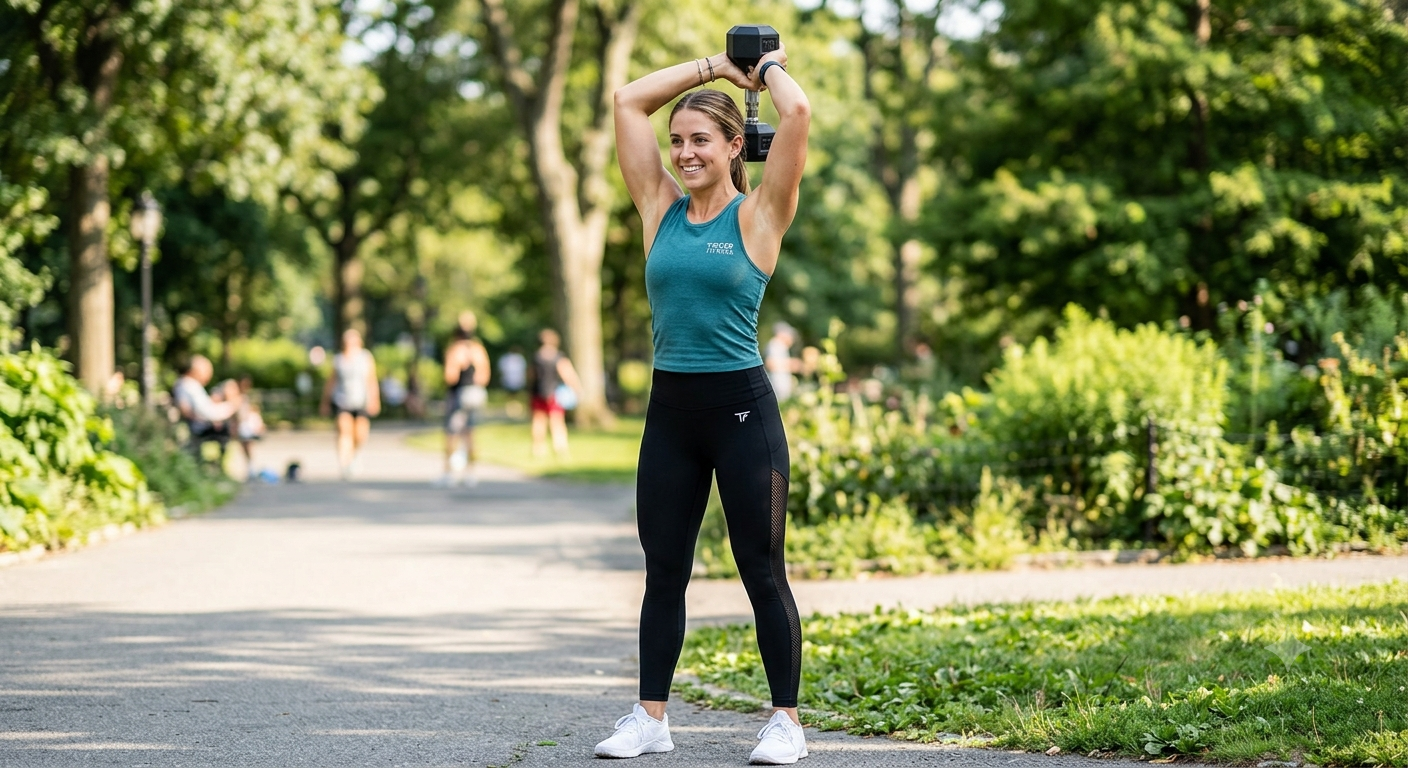
1 Performance Tank Top: Cut with wider armholes or a racerback design to permit unhindered shoulder rotation during upper-body workouts or hot-weather training.
-
1 Lightweight Long-Sleeve / Quarter-Zip: Ideal for outdoor warm-ups, early morning runs, or cooler gym environments.
Essential Bottoms (3 Pieces)
-
2 Pairs of Athletic Shorts: For men or women, lightweight woven shorts with an elastic drawstring waistband and secure pockets (preferably zippered) provide optimal functional utility.
-
1 Pair of High-Waisted Leggings or Joggers: Offers complete lower-body compression, joint warmth, and muscle support for heavy lifting days, yoga, or colder outdoor training.
Support & Base Layers (2 to 3 Pieces)
-
High-Impact Sports Bras (for Women): Prioritize encapsulation or firm compression structures with wide chest bands to reduce bounce without restricting breathing.
-
Synthetic Athletic Socks: Never skip technical socks. Cotton socks hold sweat, leading to friction and painful blisters. Synthetic blister-resist socks keep your feet dry and cushioned during long workouts.
Smart Shopping Strategies for Maximum Savings
Knowing how and when to buy is just as important as knowing what to buy when collecting inexpensive fitness apparel.
1. Shop End-of-Season Clearance Cycles
Retailers operate on traditional seasonal schedules. Winter athletic gear (fleece jackets, heavy tights, thermal base layers) goes on deep clearance during February and March. Summer gear (shorts, tanks, light tees) hits markdown racks in August and September. Purchasing performance gear out-of-season saves up to 60-70% off standard retail prices.
2. Leverage Multipacks and Basic Bundles
Many direct-to-consumer and big-box brands sell multi-packs of core athletic staples—such as 3-packs of moisture-wicking t-shirts or 2-packs of running shorts. Multipacks drop the unit cost per garment significantly while providing reliable daily rotation.
3. Explore Outlet and Overstock Outlets
Name-brand performance apparel often lands in secondary discount outlets when older lines are refreshed. You can frequently find previous-generation technical gear from top-tier brands discounted down to budget price points.
4. Join Free Brand Loyalty Programs
Sign up for brand newsletters or rewards programs prior to making purchases. Most budget activewear platforms offer an immediate 10% to 20% discount code on your first order, along with early access to promotional sales.
How to Extend the Lifespan of Budget Activewear
Inexpensive fitness apparel can perform reliably for years if cared for correctly. Synthetic technical fibers require different laundering techniques than standard cotton clothing.
                     ACTIVEWEAR LAUNDRY CARE PROTOCOL
                                     │
    ┌────────────────────────────────┼────────────────────────────────┐
    ▼                                ▼                                ▼
WASH COLD                        SKIP SOFTENER                    AIR DRY ONLY
Prevents breakdown of            Protects sweat-wicking           Preserves elastane &
elastane fibers                  fabric pores                     prevents heat shrinkage
-
Wash in Cold Water: High heat damages elastane and rubber fibers over time, ruining elasticity and causing leggings to sag. Always wash gym clothes on a cold, gentle cycle.
-
Eliminate Fabric Softener: Fabric softeners leave a microscopic chemical film over synthetic knits. This clogs the microscopic pores of technical fabrics, permanently destroying their moisture-wicking and quick-drying capabilities.
-
Wash Garments Inside Out: Turning clothing inside out protects external finishes, minimizes surface pilling from friction, and exposes the sweat-soaked interior directly to detergent.
-
Air Dry Whenever Possible: High heat from tumble dryers degrades elastic fibers and damages heat-sealed logos or reflective trims. Hang or lay garments flat to dry—because synthetic fabrics dry rapidly, this takes minimal time.
Frequently Asked Questions (FAQs)
1. Is inexpensive fitness apparel safe and durable for heavy lifting and intense workouts?
Yes, provided you choose garments with proper technical specifications. Look for polyester or nylon blends containing at least 10–15% elastane, flatlock seams, and squat-proof opacity. These features guarantee that budget activewear can endure heavy weightlifting, high-intensity interval training (HIIT), and cardio without tearing or chafing.
2. Why does my cheap workout gear start to smell even after being washed?
Synthetic fibers like polyester can trap odor-causing bacteria if washed incorrectly. Standard laundry detergent often fails to break down trapped body oils. To solve this, avoid fabric softeners, add half a cup of white vinegar to your wash rinse cycle, and use an enzyme-based sports detergent formulated specifically for synthetic activewear.
3. How do I know if affordable leggings are squat-proof before buying online?
Check the product specs for fabric density (weight measured in GSM – grams per square meter; aim for 220+ GSM) and material blends (Nylon/Spandex blends tend to offer better coverage than thin single-knit polyester). Always review verified customer feedback and look for uploaded customer photos testing the material under direct lighting.
4. What is the difference between cheap activewear and expensive luxury activewear?
The primary differences usually come down to branding, marketing budgets, and subtle finishing details like proprietary fabric blends or unique color dyes. At a technical level, both high-end and inexpensive fitness apparel rely on synthetic polyester, nylon, and elastane blends to wick sweat and provide stretch.
5. How many gym outfits do I really need to start working out?
A minimalist capsule of 3 tops, 2 to 3 bottoms, and appropriate support garments is plenty for a beginner. Because technical synthetic activewear washes easily and air-dries quickly, a small capsule allows you to rotate outfits seamlessly across 4 to 6 workout sessions a week.
6. Can I wear cotton clothing to save money on workout gear?
While 100% cotton is fine for low-intensity walking or light stretching, it is not recommended for moderate to heavy sweat sessions. Cotton absorbs moisture, becomes heavy, loses shape, and causes friction against the skin. Budget-friendly synthetic activewear is a far better choice for performance, comfort, and skin protection.