Wonton Soup Nutritional Value: Calories, Macros, and Health Benefits
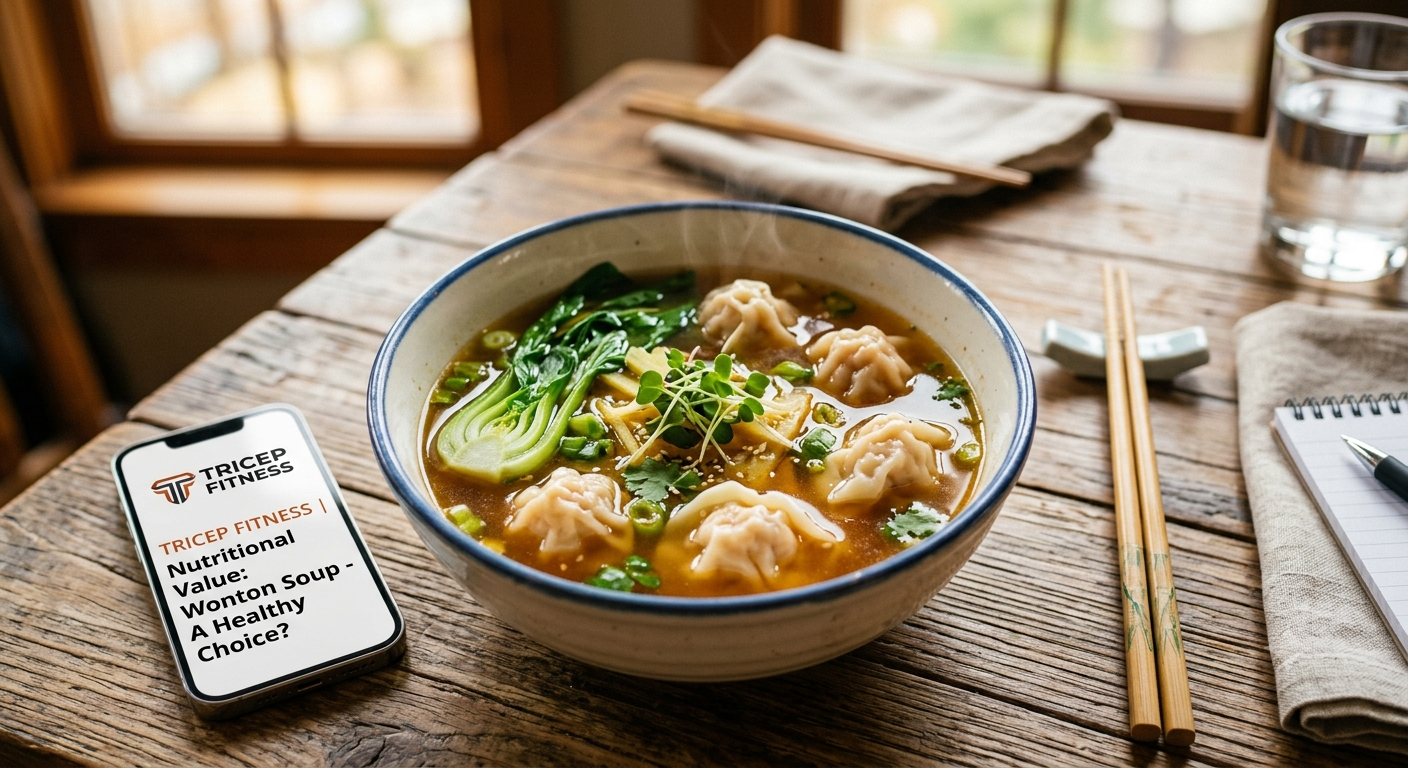
Wonton soup is a staple of traditional Cantonese cuisine and a comforting favorite at Chinese restaurants around the globe. Known for its delicate dumplings floating in a savory, aromatic broth, it is often considered a lighter alternative to heavier takeout options like sweet and sour chicken or lo mein.
However, whether you are tracking daily calories, managing macronutrients, or paying close attention to sodium intake, understanding the nutritional value of wonton soup is essential for fitting it into a balanced diet.
What Is Wonton Soup?
At its core, wonton soup consists of two primary elements: the broth and the wontons.
-
The Wontons: Small dumplings made from square wrappers (composed of wheat flour, egg, water, and salt) filled with a savory mixture. Traditional fillings usually consist of ground pork, minced shrimp, or a combination of both, seasoned with ginger, garlic, green onions, soy sauce, and sesame oil.
-
The Broth: A light, clear broth typically made by simmering pork bones, chicken stock, dried seafood, ginger, and yellow onions. It is seasoned with light soy sauce, white pepper, and sesame oil.
Because the soup is boiled rather than deep-fried, it naturally maintains a lower fat profile compared to fried wontons or egg rolls.
Nutrition Facts Breakdown (Per Serving)
The precise nutritional profile of wonton soup varies depending on the recipe, restaurant, and portion size. A standard single portion—consisting of approximately 1 cup of broth with 3 to 4 medium wontons—yields the following average nutritional profile:
Key Macronutrients in Wonton Soup
1. Carbohydrates (Energy Source)
The primary source of carbohydrates in wonton soup comes from the dumpling wrappers made of refined wheat flour. A standard bowl provides around 16 to 22 grams of carbohydrates. Because refined flour yields fast-digesting carbohydrates, the overall glycemic impact remains moderate due to the accompanying protein and liquid volume.
2. Protein (Muscle Repair & Satiety)
With 8 to 12 grams of protein per standard serving, wonton soup offers a solid protein yield for a light starter. Ground pork and shrimp provide high-quality, complete proteins containing essential amino acids that support muscle synthesis, tissue repair, and satiety.
3. Fats (Flavor & Structure)
Wonton soup is low in total fat, containing roughly 3.5 to 6 grams per serving. Most of the fat comes from ground pork used in the filling and sesame oil added to the broth. Choosing shrimp-only or chicken-filled wontons further reduces the total fat content.
Micronutrients and Health Benefits
Beyond macros, wonton soup provides several micro-nutritional benefits derived from its core ingredients:
-
Hydration and Satiety: High liquid volume increases stomach distension, promoting fullness before a main meal while contributing to overall fluid intake.
-
Ginger and Garlic Compounds: Gingerol and allicin found in the aromatics offer anti-inflammatory and digestive benefits.
-
Trace Minerals: Shrimp fillings deliver selenium, zinc, and vitamin B12, supporting immune function and cellular metabolism.
-
Micronutrients from Added Greens: Many variations include bok choy, cabbage, or spinach, adding vitamins A, C, and K without adding significant calories.
The Sodium Factor: What to Keep in Mind
While wonton soup is relatively low in calories and fat, its most significant nutritional drawback is sodium content.
A single cup of restaurant-style wonton soup can contain 800 to 1,100 mg of sodium, which accounts for nearly 40% to 50% of the Recommended Daily Intake (2,300 mg) set by health authorities. High sodium intake stems from:
-
Commercial chicken/pork stocks
-
Light soy sauce used in broth and filling
-
Monosodium glutamate (MSG) added for umami flavor
Health Tip: Individuals managing hypertension or fluid retention should enjoy restaurant wonton soup in moderation or opt for homemade versions where sodium levels can be controlled.
Comparing Wonton Soup to Other Soups
Understanding how wonton soup compares to other popular soups helps put its nutritional value into perspective:
Compared to heavy cream-based soups or oil-rich noodle dishes like traditional ramen, wonton soup maintains a lean profile while delivering higher protein than lighter starters like egg drop soup.
How to Make Wonton Soup Healthier at Home
Preparing wonton soup at home provides full control over calories, sodium, and nutrient density. Here are five easy adjustments to optimize its nutritional value:
-
Use Low-Sodium Broth: Swap standard broth for low-sodium chicken or vegetable stock to cut total sodium content by up to 50%.
-
Lean Pork or Poultry Substitutes: Replace traditional ground pork with extra-lean ground turkey, chicken breast, or additional shrimp to reduce saturated fat.
-
Pack in Leafy Greens: Add baby bok choy, sliced shiitake mushrooms, spinach, or napa cabbage to boost dietary fiber, potassium, and antioxidants.
-
Thin Wrappers: Use thin wonton wrappers or reduce the wrapper ratio to minimize refined carbohydrates.
-
Aromatics over Salt: Build flavor using generous amounts of fresh ginger, garlic, white pepper, and green onions rather than relying on heavy soy sauce.
Frequently Asked Questions (FAQs)
1. Is wonton soup good for weight loss?
Yes, wonton soup can fit well into a weight loss diet. Because it is low in calories (around 120–180 calories per cup) and high in liquid content, it helps promote satiety without consuming excess calories.
2. Is wonton soup high in carbohydrates?
Wonton soup contains a moderate amount of carbohydrates, typically 16 to 22 grams per serving. Most carbs come from the flour wrappers. It is significantly lower in carbs than full noodle soups like ramen or pho.
3. How much sodium is in a bowl of wonton soup?
A standard 1-cup serving of restaurant wonton soup typically contains between 800 mg and 1,100 mg of sodium. Homemade versions can reduce this figure to under 400 mg by using reduced-sodium stock.
4. Is wonton soup keto-friendly?
Standard wonton soup is not keto-friendly because the dumpling wrappers are made from wheat flour. However, you can make keto wonton soup at home by substituting standard wrappers with low-carb cabbage wraps or creating meatball-style “unwrapped” wontons.
5. Can diabetics eat wonton soup?
Diabetics can enjoy wonton soup in moderation. The protein and liquid content help blunt blood sugar spikes, but monitoring portion sizes is important due to the refined flour in the dumpling wrappers. Pairing the soup with extra vegetables helps slow down glucose absorption.
6. Is wonton soup dairy-free and gluten-free?
Wonton soup is naturally dairy-free. However, traditional wonton soup is not gluten-free because the wrappers are made with wheat flour and the broth/filling often contains soy sauce made from wheat. Gluten-free versions require gluten-free wrappers (or rice wrappers) and tamari sauce.